
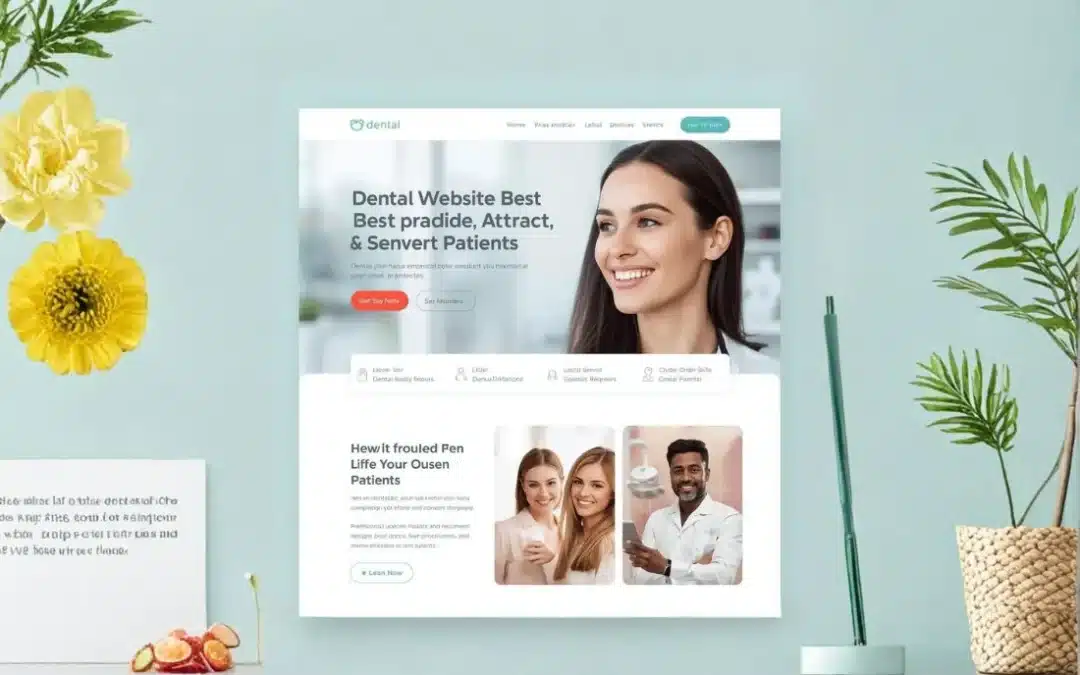
Excellent treatment is not sufficient for a dental clinic in modern times. There is an essential need for its presence on the internet.
Dental website design plays a major role in how patients perceive your dental clinic, believe in your brand, and make the decision to book an appointment.
Table of Contents
- Why Dental Website Design Matters for Clinics
- Key Elements of High-Converting Dental Website Design
- Design Features That Increase Patient Trust
- SEO-Friendly Design for Better Visibility
- Why Dental Website Design Needs to Be in Line with Development
- Frequently Asked Questions
- Final Thoughts
A badly designed website will automatically drive away any visitors.
On the other hand, a well-designed dental website is capable of attracting patients and generating leads consistently.
This blog will outline best practices of dental website design and how they help attract, engage, and convert more patients.
Why Dental Website Design Matters for Clinics
Your website is most people’s first impression of your clinic. If it looks old or is difficult to navigate, visitors will likely leave your site within seconds.
A professional dental website design will enable you to:
- Build instant trust
- Showcase your services clearly
- Enhance user experience
- Support SEO and online visibility
- Drive more bookings
A well-structured website also supports your overall dental website development strategy.
👉 Related Article: Dental Website Development: The Complete Guide to Building High-Converting Dental Clinic Websites
Key Elements of High-Converting Dental Website Design
1. Clean and Professional Visual Design
Your website should exude cleanliness, professionalism, and care. These qualities are extremely helpful in instilling confidence in patients about your clinic.
Good practice includes:
- Light and soothing color schemes
- Consistent font and spacing
- High-quality images of your clinic and staff
- Clear branding using logos and colors
A clutter-free layout helps patients focus on what’s most important.
2. Responsive Design and Mobile-Friendly Layout
Most patients look for dentists on their phones. If your website does not work well on mobile devices, this could be costing you bookings.
Responsive dental website design ensures that:
- Easy to navigate on all devices
- Loading pages fast
- click-to-call and tap-to-book options
Mobile usability is also one of Google’s ranking factors that supports your dental SEO efforts.
3. Easy Navigation and User Flow
The information should be easily accessible to the patients.
Your navigation should clearly indicate:
- Services
- About the Clinic
- Contact information
- Appointment booking
A clear structure now enhances both engagement and reduces bounce rates.
4. Strong CTA Placement
Your website needs to move visitors to action.
Examples of effective CTAs include:
- “Book an Appointment”
- “Call Our Clinic Today”
- “Request a Consultation”
CTAs should appear in:
- Above the fold
- On the service pages
- Above the footer
Clear calls-to-action are the way to convert visitors into patients.
Design Features That Increase Patient Trust
Patient Reviews and Testimonials
It showcases real patient reviews that build confidence and credibility.
Dentist Qualifications and Certifications
Highlight your qualifications, experience, and professional awards.
Clear Contact Information
Clearly visible phone numbers and contact forms tend to reassure visitors and thereby improve conversions.
Trust-based dental website design makes it natural for the patient to take their next step.
SEO-Friendly Design for Better Visibility
Design and SEO go hand in glove. A beautiful-looking website should also be search engine-friendly.
SEO-supportive design includes:
- Proper heading hierarchy (H1–H4)
- Optimised images with ALT tags
- Fast page loading speed
- Clean and simple URLs
These elements support dental website design while improving long-term SEO growth.
Why Dental Website Design Needs to Be in Line with Development
Design alone isn’t enough: it needs to smoothly interact with backend features like:
- Appointment booking systems
- Contact forms
- Security and performance optimization
This is why dental clinics benefit most when design and development are planned together as part of a complete dental website development strategy.
Frequently Asked Questions
1. How often should dental website design be updated?
Every 2–3 years or in the event of changing technology and patient expectations.
2. Is dental website design any different from regular website design?
Yes, dental websites focus more on building trust, educating patients, and securing bookings.
3. Does website design play a role in SEO?
Yes. Page speed, mobile usability, and structure directly affect rankings.
4. Can good design increase patient bookings?
Absolutely, clear CTAs and easy navigation improve conversions.
5. Is it worth the investment in professional website design for dentists?
Yes. Professional design gives you credibility and supports long-term growth.
Final Thoughts
Investing in professional dental website design is crucial for any clinic seeking to grow its online presence. A good website attracts browsers, then captivates and converts them into loyal patients.
Get the complete approach now: design, development, and performance, in our full guide on dental website development. Build a website that really converts.
Get in Touch with Cybersecure Solutions
Phone: 0466 397 314
Email: info@cybersecuresolutions.com.au
Contact Us